Together with the Community
“As a responsible member of society, Milbon will actively participate and cooperate in social contribution activities that contribute to the healthy development and comfortable, safe, and secure life of local communities, aiming for coexistence with those communities.” In accordance with the Milbon Ethics and Code of Conduct, Milbon actively cooperates with local communities and educational institutions, as well as engages in social contribution activities through its cosmetics products. With a desire to further beautify and spiritually enrich people’s lives, cities, and the world, we will contribute to sustainable development as a good corporate citizen.
Industry-Academia Collaborations
Starting in FY2020, Milbon has been funding an endowed Beauty and Cosmetology course at Kansai University. Milbon employees and Professor Hideki Yamamoto from Kansai University have been taking turns to lecture on this subject. Covering topics ranging from the characteristics of products in the beauty market to social and market factors, this comprehensive course aims to broaden the understanding of the value of beauty and has so far attracted over 5,400 participants*. Endowed course at Kansai University
Total course participants from FY2020 to FY2026
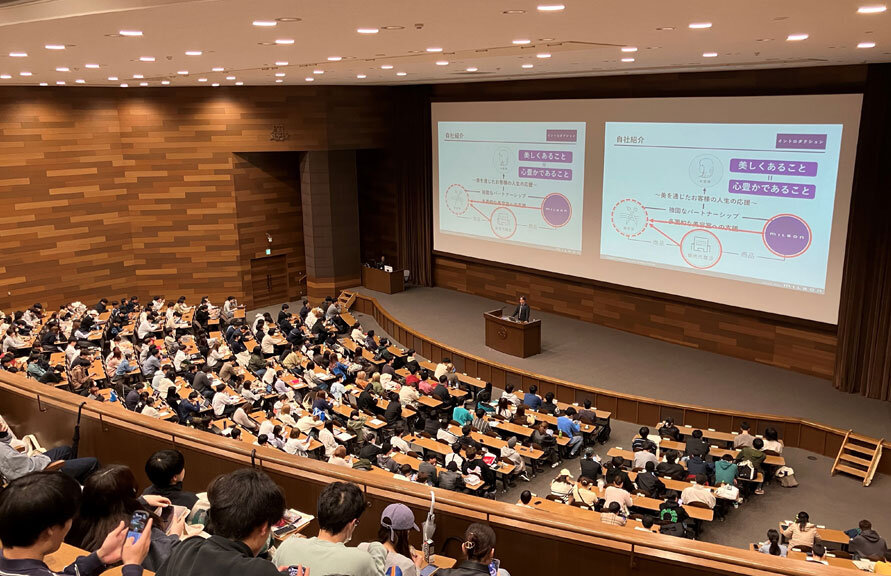
Main lecture content
- Introduction to the beauty market
- Introduction to hair and skin science
- Appropriate manufacturing structure and quality management for cosmetics
- Beauty market business from a global perspective
- SDGs and cosmetics companies: Sustainable management toward 2030
- Other content
Initiatives in Collaboration with Citizens’ Groups
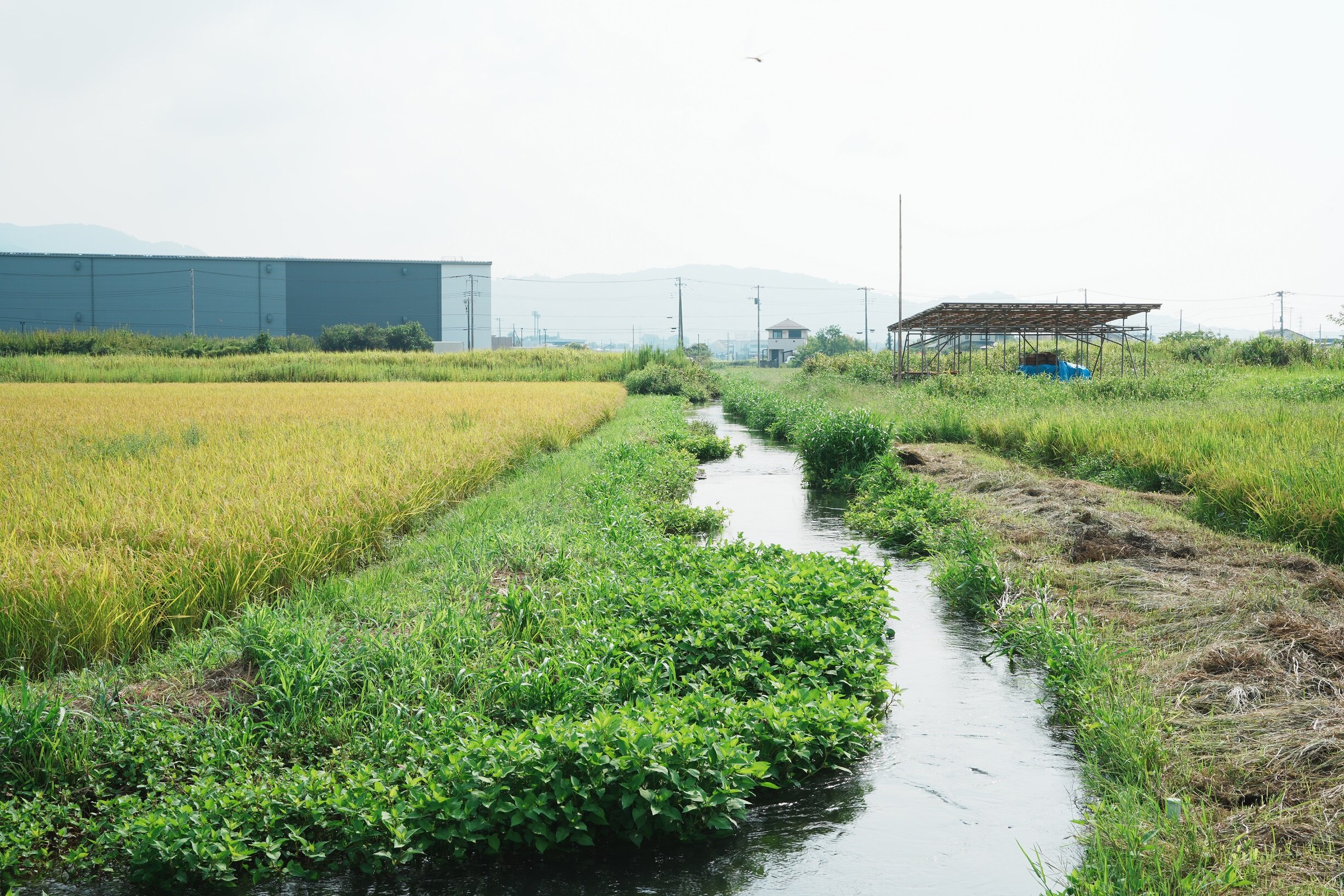
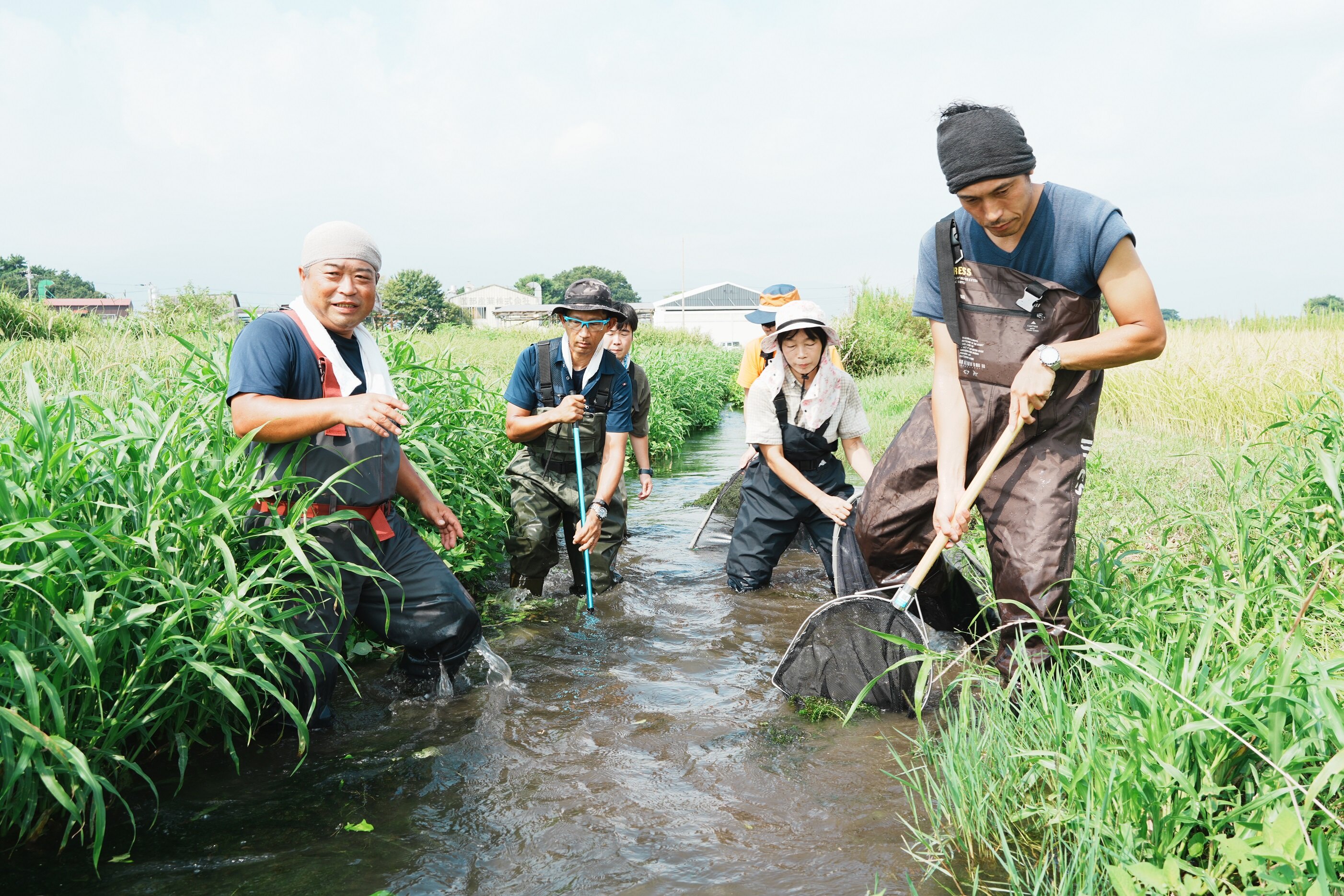
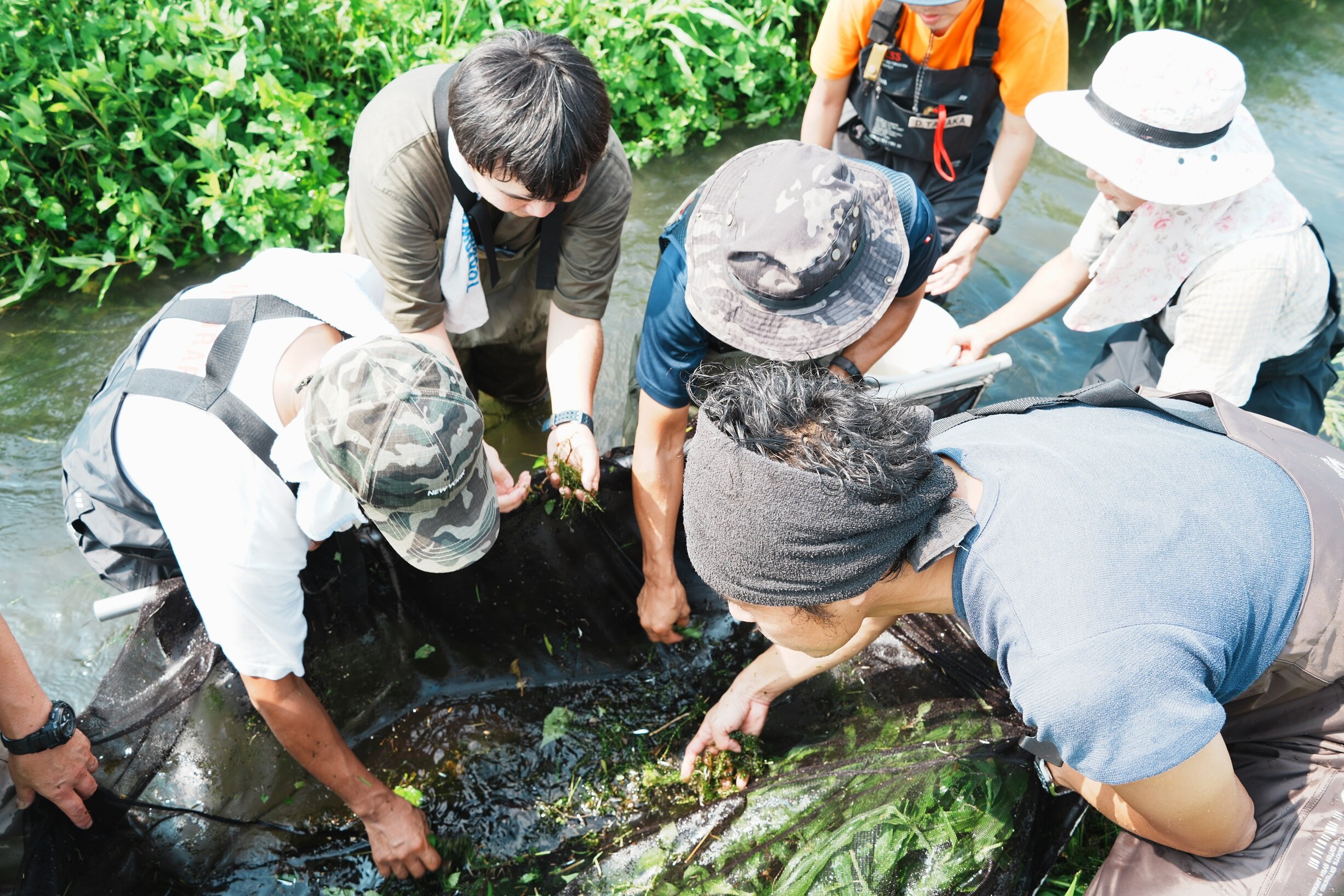
Milbon is working with local residents and the citizens’ group, the Network of Fish and Children, around Iga City in Mie Prefecture to hold a Water Quality Survey and Waterside Nature Observation at Hattori River, which is part of the Kizu River system. This activity aims to draw the attention of local children to the waterside environment, and convey the importance of protecting and passing it on. It is also part of the water resource conservation activities that we undertake with local communities. We will continue our efforts to conserve abundant water resources and raise the next generation.
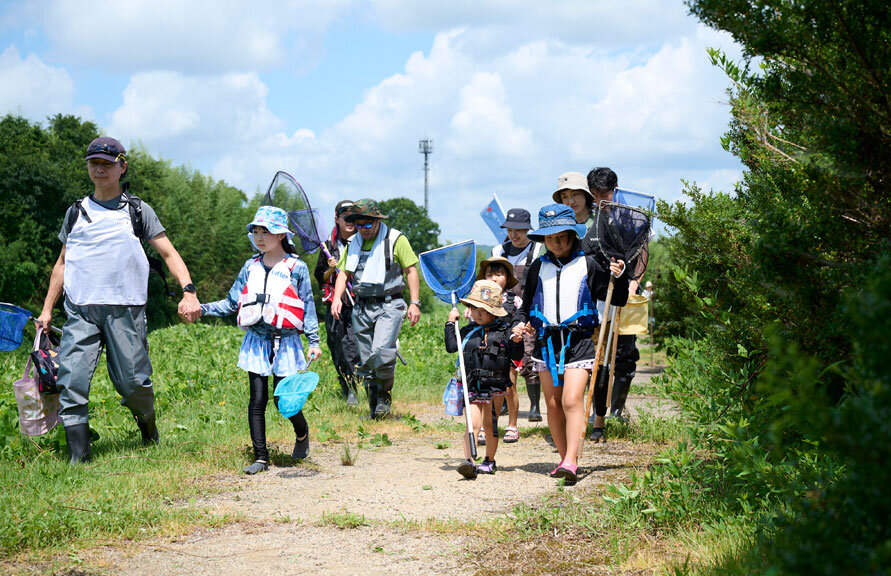
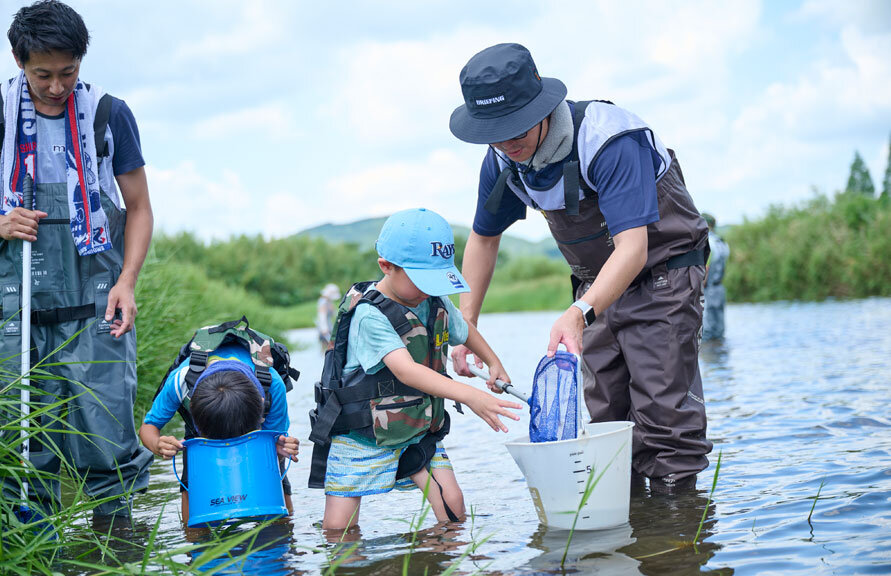
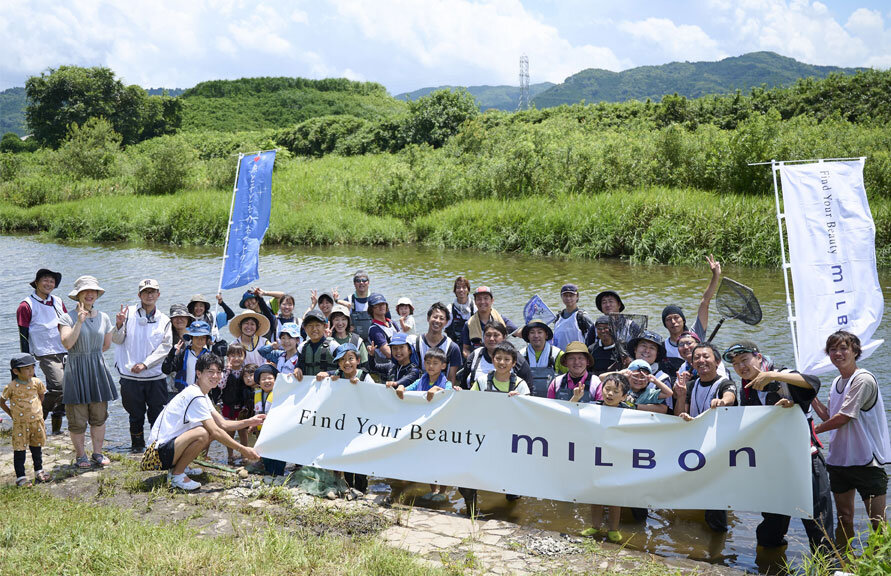
In 2025, we collaborated with the citizen group “Kanagawa Freshwater Fish Restoration Research Association” to conduct a survey of aquatic organisms in agricultural irrigation channels in western Kanagawa Prefecture. The target area is a valuable waterway where many species, including the Japanese rice fish , inhabit, and we plan to continue surveys in the future.
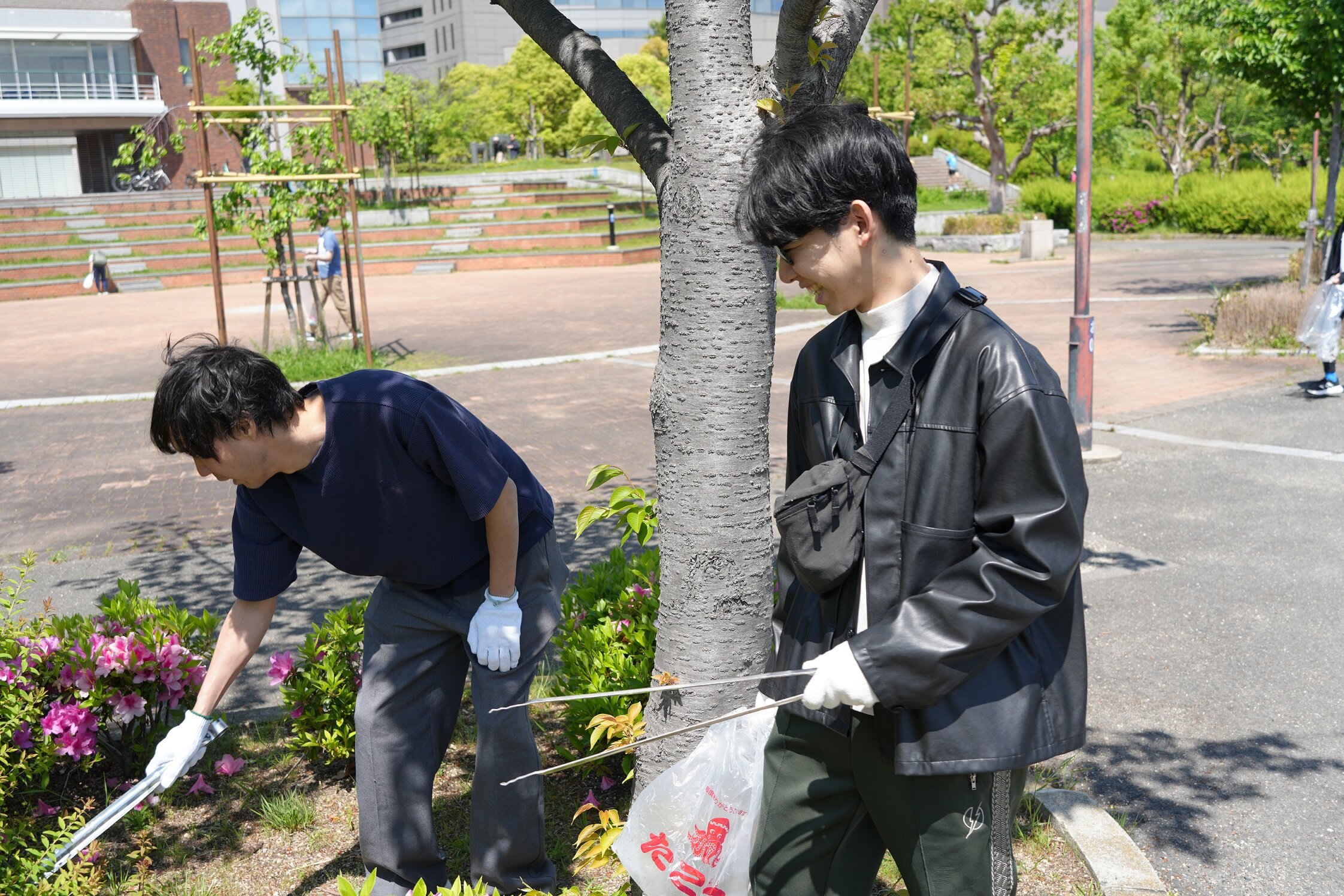
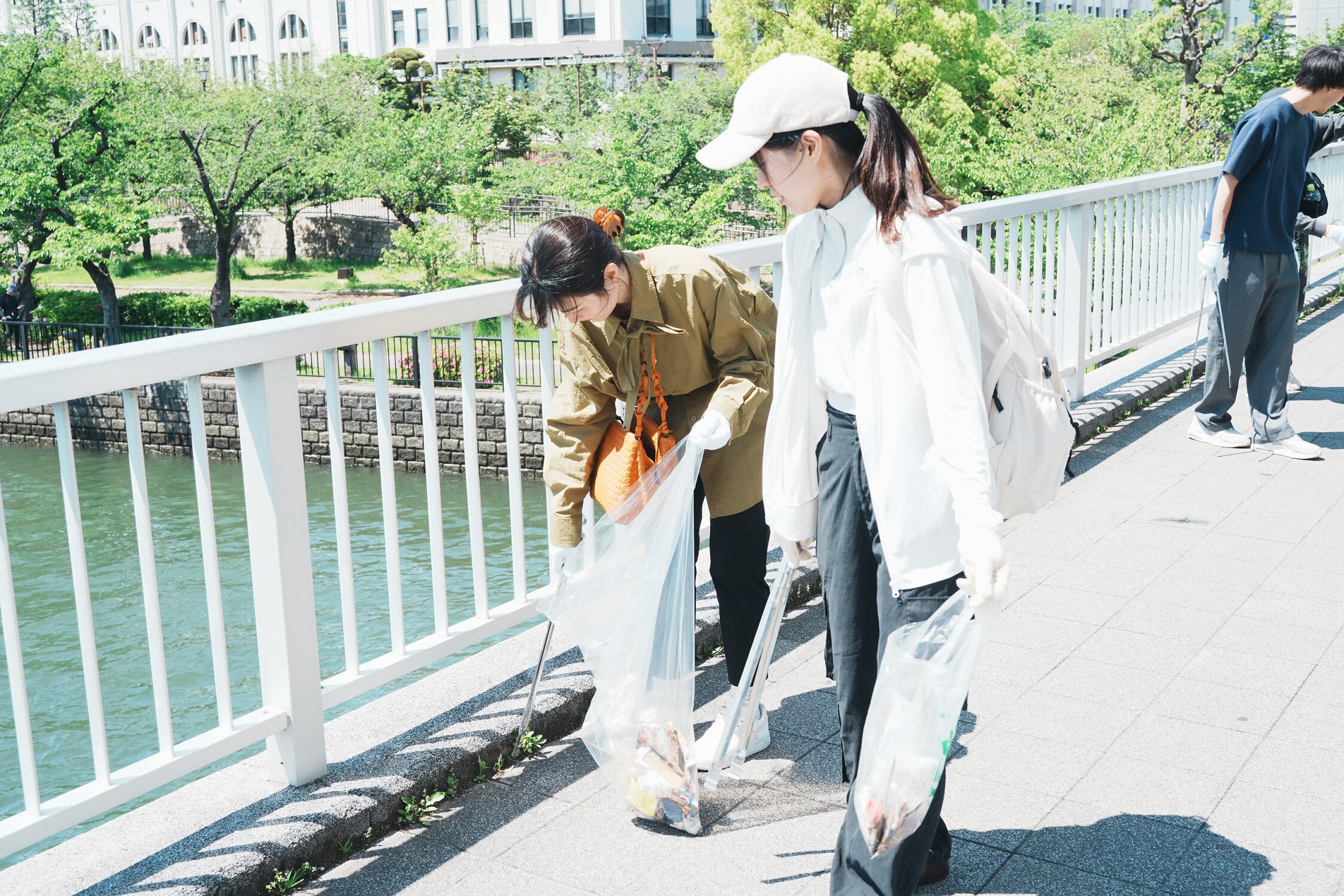
Participation in the Okawa Cleanup Event
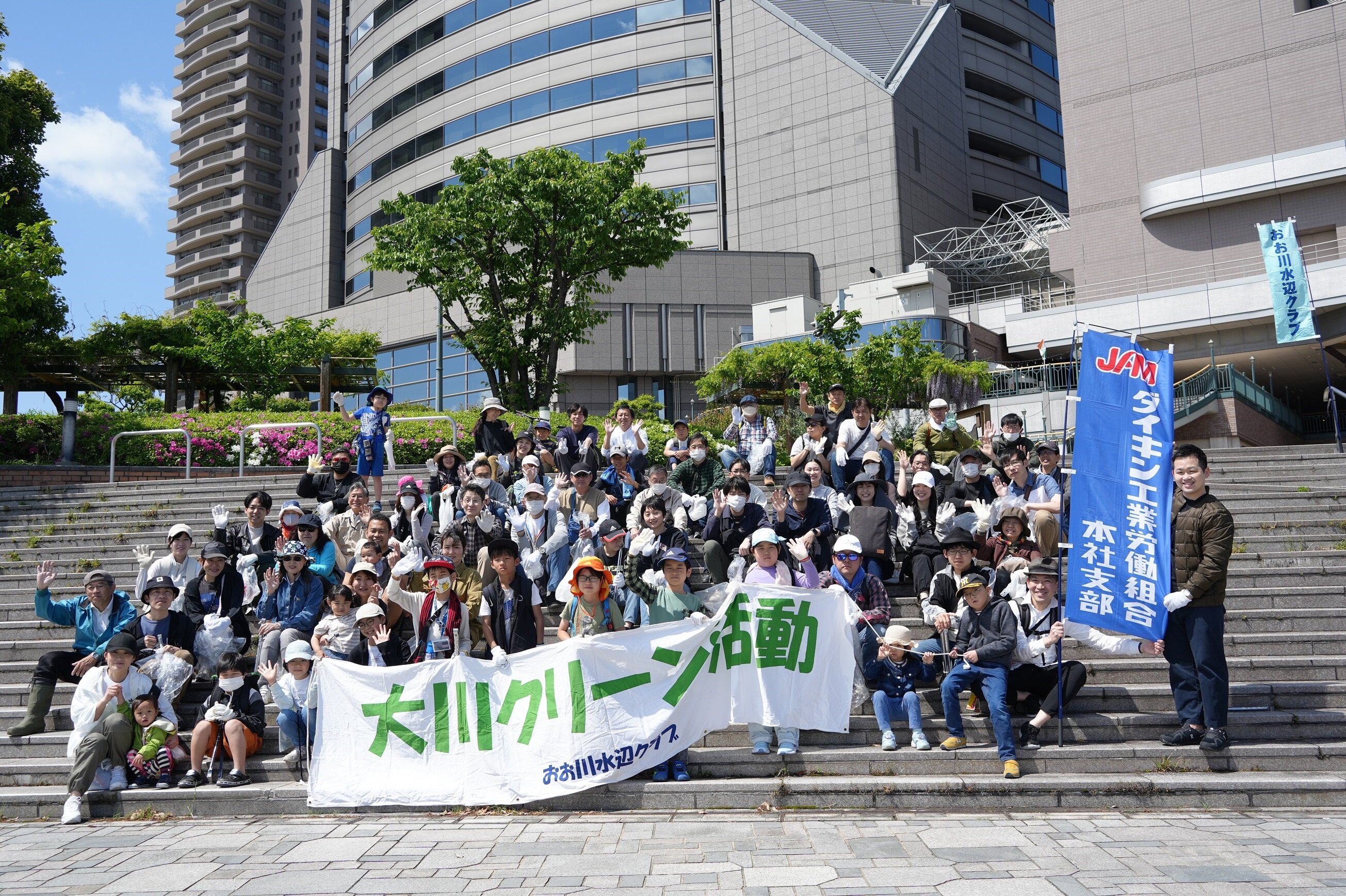
The wastewater from the area where the Central Research Institute (Osaka -shi, Miyakojima-ku), a key domestic R&D hub, is located flows through the Imafuku Sewage Treatment Plant and merges into the Okawa River via the Neyagawa River. In 2025, as part of the “SDGs Development Headquarters Initiative Project,” researchers took the lead in participating in cleanup activities around the Okawa River. Beyond these cleanup efforts, the project actively engages researchers in internal study sessions and community contribution activities to contribute to achieving sustainability.
Industry-Academia-Government Collaborations
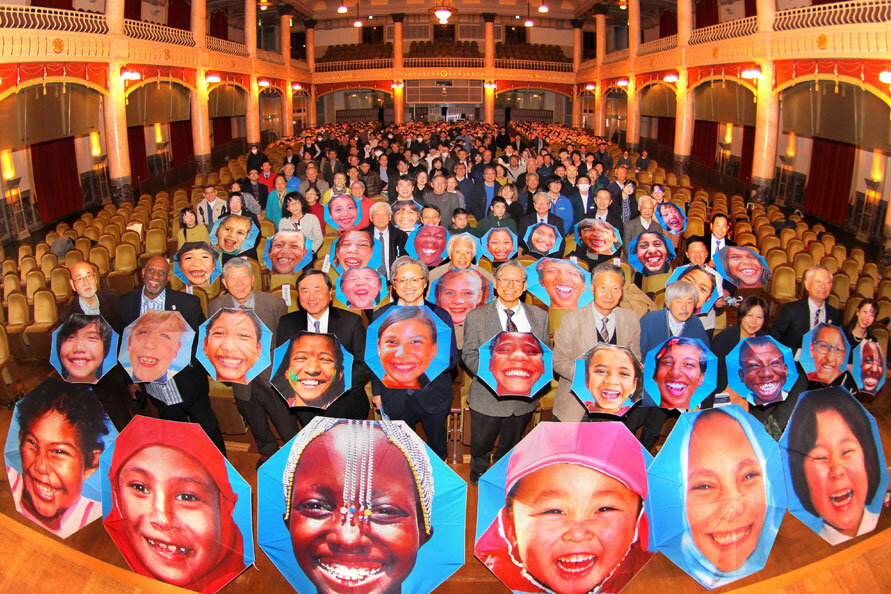
Milbon is participating in the Global Citizen Forum on Water and Watersheds for All Lives, a dialogue between industry, academic, and government to promote coexistence with local communities and water resource conservation activities. This project addresses the global problem of current and expected future water resource depletion by providing participants with opportunities for knowledge sharing through expert presentations. It also seeks to deepen mutual understanding of what we can do now to address this problem, and what we must pass on to the next generation through a panel discussion between members of industry, academia, and government. Going forward, we will continue to actively promote dialogue between local communities and industry, academia, and government, and engage in activities to conserve our limited resources, including water resources.

Offering Research Institute Tours
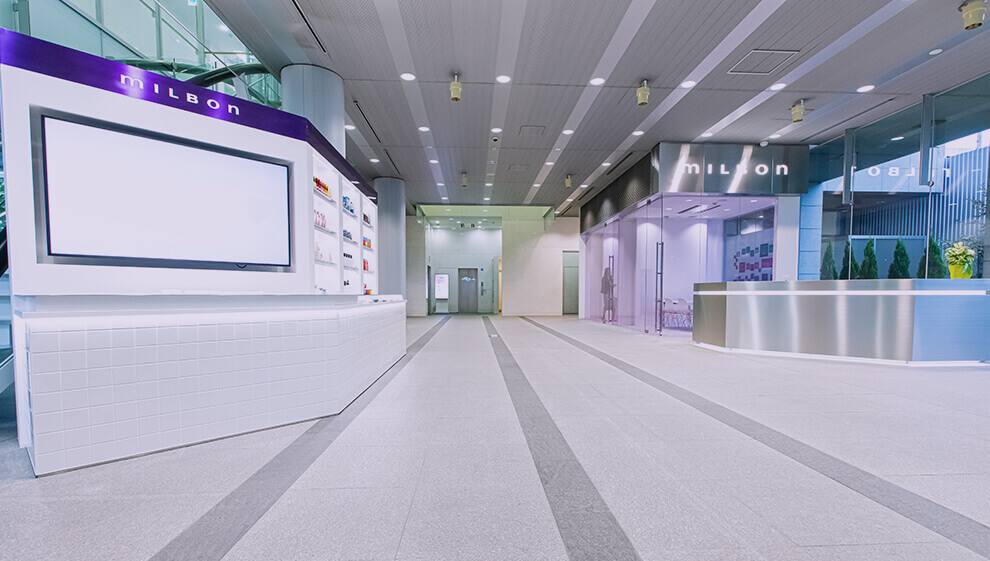
The Central Research Institute offers facility tours from educational institutions and other organizations upon request. Visitors can see our basic hair research conducted here and the actual product development process.
Biodiversity Conservation Initiatives
Joined the 30by30 Alliance for Biodiversity
The 30by30 Alliance for Biodiversity is based on the G7 2030 Nature Compact adopted at the G7 Summit held in June 2021, and aims to conserve and protect at least 30% of terrestrial and marine areas by 2030 to halt and restore biodiversity loss. Japan’ s Ministry of the Environment (MOE) is the initiator of this alliance, and was established by a group of companies, local governments, nonprofit organizations, and others to promote the expansion of national parks, satoyama (rural areas where nature and people coexist), corporate forests, etc. to be registered in the international database as OECM* and to actively disseminate these efforts.
Other Effective area-based Conservation Measures refers to areas being conserved through private-sector efforts, and areas where management not aimed at conservation has contributed to protection of the natural environment.
The Milbon Group has established the Milbon Group Environmental Policy as a guideline for fulfilling our responsibilities to the global environment in all processes, from product development to procurement of raw materials, manufacturing, distribution, and sales to consumer use and disposal. As a manufacturer dedicated to enriching the spirit through beauty, Milbon values the bounty and abundance that biodiversity offers to society at large, and we actively engage in activities for protecting our global environment.
Participated in biodiversity conservation activity
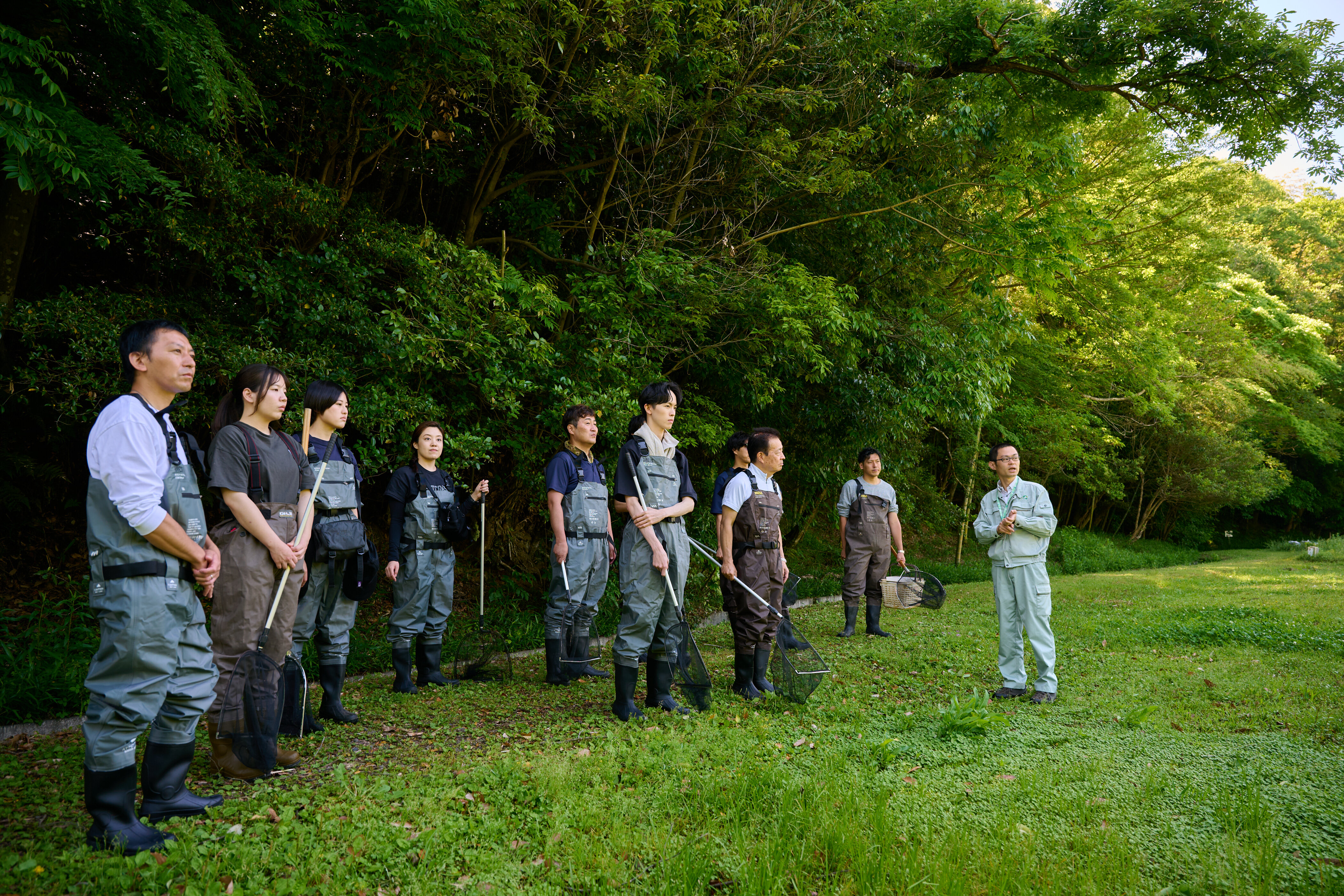
Milbon participated in a biodiversity conservation activity at "Michikusa" Kameyama Satoyama Park in May 2024.
Through a lecture while touring the park, we learned why “Michikusa” Kameyama Satoyama Park was registered as a biodiversity conservation area, as well as how it was certified as a place where the value of biodiversity can be conserved over the long term. We also learned the difficulties of maintaining ecosystems through an experience to exterminate crayfish, an invasive alien species, from park ponds. Using the lessons learned through this activity, we will investigate registering the Yumegaoka Factory as a biodiversity conservation site. We will also contribute to coexisting with biodiversity not only through our own operations but also in cooperation with communities and all other stakeholders.